What To Do If Your Car Breaks Down In Geelong: A Step-By-Step Emergency Guide
If your car breaks down in Geelong, the first steps are simple: get your vehicle out of traffic if it's safe to do so, turn on your hazard lights, move everyone away from the road and call for
towing in Geelong or roadside assistance. What you do in those first few minutes matters more than most drivers realise, so it pays to know the process before you ever need it.
What Should You Do First When Your Car Breaks Down?
If your car breaks down in Geelong, the first steps are simple: get your vehicle out of traffic if it's safe to do so, turn on your hazard lights, move everyone away from the road and call for towing in Geelong or roadside assistance. What you do in those first few minutes matters more than most drivers realise, so it pays to know the process before you ever need it.
What Should You Do First When Your Car Breaks Down?
The moment you notice something is wrong — a warning light, smoke, a loss of power — your priority is getting off the road safely. Signal early, ease off the accelerator and steer towards the shoulder, an emergency lane or a side street.
Once stopped, work through these steps:
- Turn on your hazard lights immediately, even in daylight
- Apply the handbrake and turn your wheels away from traffic
- Exit through the passenger side if traffic is passing close by
- Move everyone behind a safety barrier or well clear of the road
- Call a towing service or roadside assistance from a safe position
Never stand behind or directly in front of your vehicle. If another car fails to see you in time, you want space between you and the impact zone.
How Should You Position Your Vehicle on Busy Geelong Roads?
Where you break down changes how you respond. On high-speed routes like the Geelong Ring Road or Princes Highway, stay inside your car with your seatbelt on if you can't reach a safe distance from traffic — exiting into a live lane is far riskier than waiting for help.
On suburban streets around Belmont, Norlane or Geelong West, you'll usually have room to pull over and wait outside the vehicle. Wherever possible, choose a spot that's visible from a distance, avoiding crests and bends where approaching drivers have little time to react.
Who Should You Call — Roadside Assistance or a Tow Truck?
It depends on the problem. Roadside assistance suits minor issues that can be fixed on the spot, while a tow truck is the right call when your car can't be driven safely.
Call roadside assistance for:
- Flat batteries & jump-starts
- Tyre changes
- Running out of fuel
- Keys locked inside the vehicle
Call a Geelong towing service for:
- Mechanical failures that stop the car from driving
- Transmission or engine damage
- Any accident damage
- Warning signs like smoke, leaking fluid or grinding noises
If you're unsure, describe the symptoms when you call. An experienced operator will tell you whether the issue can be resolved roadside or whether the vehicle needs transporting.
How Does Accident Towing Work in Geelong?
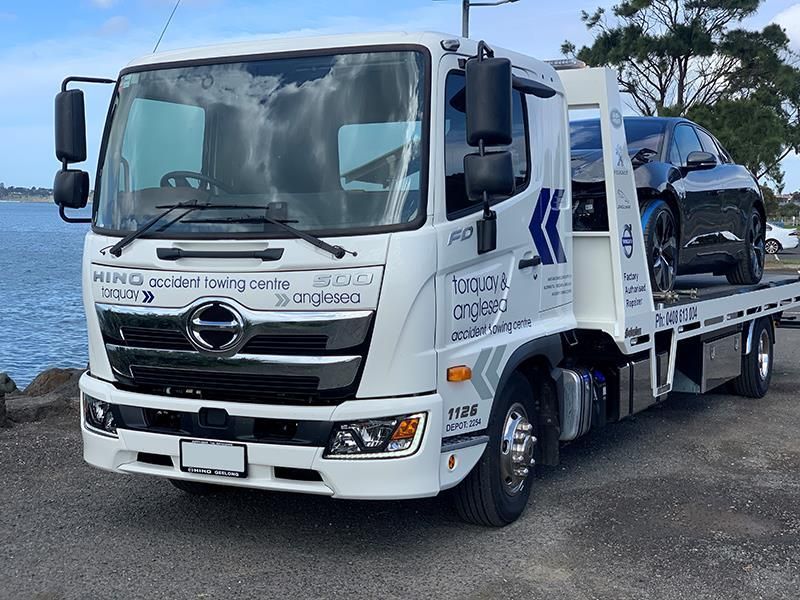
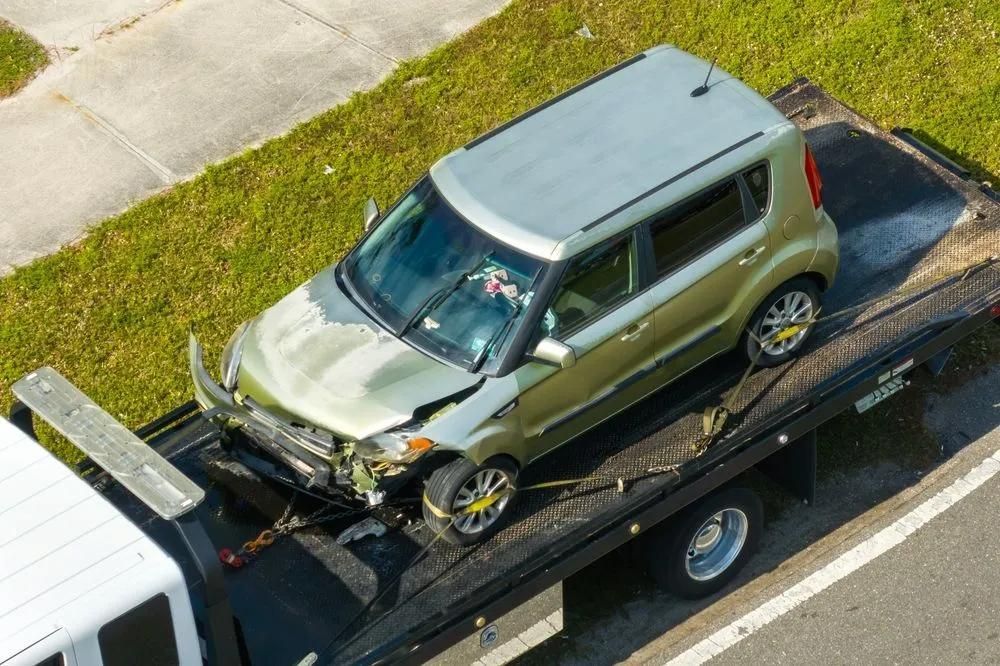
This is where many drivers get caught out. If your car is damaged in an accident, towing companies must be dispatched to the scene — they cannot simply show up and start loading your vehicle. Geelong operates under an accident allocation system for light vehicles, where an allocation centre assigns an accredited tow truck to attend.
This system exists to protect you. It's illegal to tow an accident-damaged vehicle from a scene without the proper licence, and accredited operators must meet strict standards for competence, character and safety. If someone arrives uninvited offering a tow after a crash, you're within your rights to decline and wait for the properly dispatched truck.
What Information Should You Give When You Call?
The more detail you provide, the faster the right truck arrives. Have this ready before you dial:
- Your exact location, including the nearest cross street or landmark
- The make, model & colour of your vehicle
- What happened & whether the car can roll or steer
- How many vehicles are involved, if it's an accident
- Where you'd like the vehicle taken
Accident recoveries sometimes require multiple transport units, so mentioning how many cars are involved means the operator arrives fully prepared rather than making a second trip.
What Are the Most Common Breakdown Mistakes to Avoid?
Plenty of breakdowns become worse through avoidable errors. Don't attempt repairs beside live traffic — a roadside lane is no place to be under a bonnet. Don't keep driving a car that's overheating or making unusual noises, as pushing on can turn a minor repair into a replacement engine.
Avoid accepting help from unlicensed operators, and never leave your vehicle somewhere it creates a hazard without contacting the authorities. Finally, resist the urge to wave down passing cars from the road itself. Stay clear of traffic and let your hazard lights do the signalling.
How Do Geelong's Roads & Weather Affect Breakdowns?
Local conditions play a bigger role than you might expect. Winter fog along the Midland Highway and sudden coastal weather changes on the Surf Coast can reduce visibility dramatically, making a stationary vehicle harder to spot. In summer, engines are under greater strain and overheating call-outs rise.
Traffic patterns matter too. A breakdown on Latrobe Terrace during peak hour needs a faster, more careful response than one on a quiet Bellarine back road. Local operators who know these roads can reach you sooner and position their trucks safely when they arrive.
How Can You Prepare Your Car for a Breakdown?
Preparation won't prevent every breakdown, but it makes them far less stressful. Keep your vehicle serviced regularly, check tyre pressure and coolant levels monthly and store a basic emergency kit in the boot — water, a torch, a phone charger and a high-visibility vest cover most situations.
It's also worth saving the number of a trusted local towing service in your phone now. Searching for help on a phone screen beside a busy road is the worst time to start comparing options.
FAQs
Can any tow truck attend my accident in Geelong?
No. Accident towing in Geelong operates under an allocation system, and tow trucks must be dispatched to attend a crash scene. Operators cannot simply arrive and remove your vehicle, and it's illegal to tow an accident-damaged car without the correct licence.
Should I stay in my car after breaking down?
On high-speed roads, staying inside with your seatbelt fastened is often safer than standing near traffic. On quieter streets, exit through the passenger side and wait well clear of the road, ideally behind a barrier.
How long does a tow truck take to arrive in Geelong?
Response times vary with your location, traffic and weather. Providing an accurate location and clear details about your vehicle helps the operator dispatch the nearest suitable truck and reach you sooner.
Will my car be safe after it's towed?
Reputable operators transport vehicles to secure depots or a destination of your choice, such as your mechanic or home. Ask where your car will be stored and how to arrange collection when you call.
Does insurance cover towing after an accident?
Many comprehensive policies include accident towing, though coverage varies. Check your policy details and keep any towing documentation, as your insurer will typically request it during a claim.
We at
Geelong Accident Towing & Recovery Centre have been providing towing in Geelong since 1991, with accredited operators and secure depots servicing the region, the Bellarine and the Surf Coast. From the Ring Road in peak hour to a back road in rough coastal weather, our team knows how to reach you quickly and recover your vehicle safely. If you ever need a tow truck,
contact us any time — day or night — and we'll get you moving again.