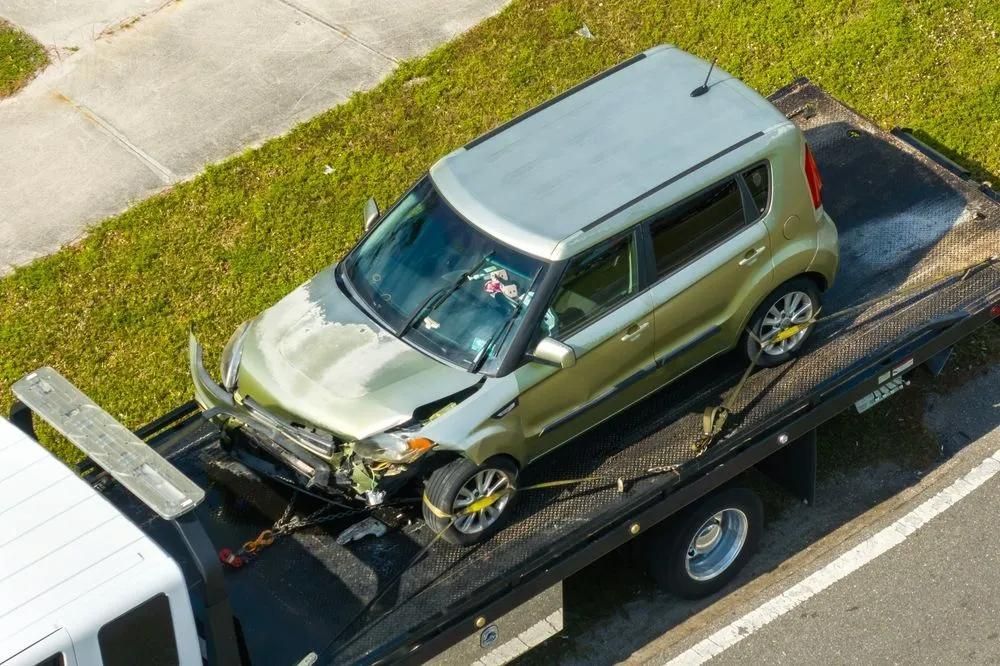
7 Common Causes Of Vehicle Breakdowns In Geelong
Vehicle breakdowns can happen without much warning, but many start with familiar problems such as a flat battery, damaged tyre, overheating engine or electrical fault. If you need Towing Geelong, a Geelong Towing Service or a Tow Truck Geelong, knowing what caused the breakdown can help you respond safely and explain the problem clearly when arranging roadside or towing assistance.
Some breakdowns are preventable with routine maintenance, while others develop unexpectedly. Here are seven common reasons vehicles end up stranded and what Geelong drivers should do when each problem occurs.
1. Why Do Flat Or Failing Batteries Cause Breakdowns?
A flat battery is one of the simplest problems that can leave an otherwise functional vehicle unable to start.
Batteries can lose charge because lights or accessories were left running, but age, electrical faults and charging-system problems can also contribute. Cold starts, frequent short trips and a vehicle sitting unused for extended periods can make an already weak battery more noticeable.
Common signs of a battery or charging problem include:
- Slow engine cranking
- Clicking when you try to start the car
- Dim or flickering lights
- Electrical accessories behaving unpredictably
- A battery or charging-system warning light
If a jump-start gets the vehicle running, that doesn't necessarily mean the problem is solved. If the battery repeatedly goes flat, have the battery and charging system tested.
When Does A Battery Problem Require Towing?
If the vehicle won't restart safely or an electrical or charging fault means it could stop again in traffic, towing it to a workshop may be the safer option.
A failed alternator, for example, can allow a vehicle to run temporarily from the battery's remaining charge. Once that charge is depleted, the vehicle may stop again.
2. How Do Flat Tyres Leave Geelong Drivers Stranded?
Tyre damage can occur after hitting road debris, potholes or sharp objects, while gradual pressure loss may go unnoticed until the tyre is too low to drive safely.
A spare tyre can solve a straightforward puncture if you have the correct equipment and can change it safely. However, many vehicles use temporary spares or puncture-repair systems, and some drivers may not have a usable spare at all.
Don't continue driving normally on a flat tyre. Doing so can damage the tyre, wheel and potentially other components.
What If You Can't Change The Tyre Safely?
Your location matters.
Changing a wheel beside fast-moving traffic or on unstable ground can put you at unnecessary risk. If there isn't a safe place to work around the vehicle, stay somewhere protected and arrange appropriate roadside or towing assistance.
Even after fitting a spare, check its limitations. Temporary spare tyres can have specific speed and distance restrictions.
3. Why Do Engines Overheat?
An overheating engine requires prompt attention because continuing to drive can cause serious engine damage.
Overheating can have several causes, including coolant loss, a leaking cooling system, radiator problems, a failed cooling fan, thermostat issues or other mechanical faults.
Possible warning signs include:
- A rising temperature gauge
- An overheating warning light
- Steam from under the bonnet
- Coolant leaking beneath the vehicle
- An unusual sweet smell
- Reduced engine performance
If the temperature warning appears or the gauge moves into an unsafe range, find a safe place to stop and switch the engine off.
Should You Keep Driving An Overheating Car?
Generally, no. Continuing to drive while the engine is overheating can turn a cooling-system problem into expensive engine damage.
Don't remove the radiator or coolant-system cap while the system is hot. Pressurised hot coolant can cause serious burns.
If the cause can't be safely identified and resolved, arrange for the vehicle to be transported rather than trying to make it to the workshop under its own power.
4. How Can Electrical Faults Cause A Vehicle Breakdown?
Modern cars depend heavily on electrical and electronic systems.
A fault involving the alternator, starter motor, wiring, sensors, control modules or electrical connections can prevent the vehicle from starting or cause it to stop unexpectedly.
Electrical faults aren't always obvious. You may notice intermittent symptoms before the vehicle fails completely.
These can include dashboard warning lights, flickering headlights, accessories cutting out, slow starting or repeated battery problems.
If several electrical systems begin failing at the same time, don't assume they all developed separate faults. A charging or power-supply problem can affect multiple systems at once.
5. Can Fuel System Problems Cause A Car To Stop?
Yes. A vehicle needs a reliable fuel supply to start and continue running.
Sometimes the explanation is simple: the vehicle has run out of fuel. Faulty fuel gauges or drivers overestimating their remaining range can also result in an unexpected stop.
Other fuel-related breakdowns may involve pumps, injectors, filters or electronic controls.
If your engine cranks but won't start, don't assume adding fuel will automatically solve the problem. Several ignition, electrical and mechanical faults can produce similar symptoms.
What Happens If You Put The Wrong Fuel In Your Car?
Avoid starting the engine if you realise you've used the wrong fuel.
Starting or driving the vehicle can circulate the incorrect fuel through more of the system. Arrange professional assistance to determine the appropriate next step.
If the vehicle needs to be transported for fuel-system work, a towing service can move it without requiring you to drive it.
6. Why Are Brake Problems A Serious Breakdown Risk?
Brake problems are different from many other breakdowns because they can immediately affect your ability to control the vehicle safely.
Warning signs can include unusual brake-pedal behaviour, grinding noises, reduced braking performance, vibration or brake warning lights.
Not every unusual noise means the braking system is about to fail, but changes in braking performance should never be ignored.
If the brakes aren't operating normally, don't continue driving simply because the vehicle can still move.
A tow to a qualified repairer can avoid driving a vehicle with a potentially unsafe braking system.
7. How Can Engine And Transmission Problems Leave You Stranded?
Major engine and transmission faults can develop gradually or appear suddenly.
Drivers may notice unusual noises, loss of power, rough running, warning lights, difficulty selecting gears or fluid leaking beneath the vehicle before a complete breakdown.
If the vehicle enters a reduced-power or "limp" mode, it may be protecting itself after detecting a fault. Whether it can be driven safely depends on the specific issue and manufacturer guidance.
Don't ignore loud mechanical noises, significant fluid leaks or sudden changes in how the vehicle drives.
Continuing to operate a vehicle with a serious engine or transmission problem can cause additional damage and may create a safety risk.
What Should You Do If Your Car Breaks Down In Geelong?
Your first priority should be getting yourself and other occupants out of danger.
If possible and safe, move the vehicle away from moving traffic. Turn on the hazard lights and follow relevant road-safety guidance for your location.
Once you're in a safer position:
- Identify your location as accurately as possible.
- Note any warning lights, noises or symptoms.
- Don't attempt repairs that put you near moving traffic.
- Contact roadside assistance or a towing provider if the vehicle can't be driven safely.
- Explain the vehicle type, problem and location when requesting help.
If you're stopped somewhere dangerous or there is an immediate threat to safety, contact the appropriate emergency service.
What Happens If Your Vehicle Is Involved In An Accident?
Accident towing works differently from an ordinary breakdown callout.
Towing companies need to be dispatched to accident scenes. They cannot simply show up at an accident scene and begin offering towing services without being dispatched.
This distinction is important for motorists to understand after a collision. Accident scenes may involve police, emergency services, traffic management and specific towing arrangements.
If you're involved in a crash, prioritise safety and follow instructions from police or emergency personnel where they are present. Don't put yourself at risk attempting to move or inspect a badly damaged vehicle.
The appropriate towing provider can then attend once they have been properly dispatched to the accident.
When Should You Call A Tow Truck Instead Of Driving?
If there's any reasonable concern that driving could be unsafe or cause further damage, arranging a tow can be the sensible option.
Examples include an overheating engine, significant fluid leak, serious brake problem, damaged wheel or tyre, major mechanical fault or a vehicle that won't reliably remain running.
Towing may also be necessary if the car can't be safely moved from where it has stopped.
Trying to "just make it home" or reach a workshop can turn a manageable mechanical problem into a larger repair if the vehicle isn't safe to drive.
How Can You Reduce The Risk Of A Breakdown?
Regular maintenance can't prevent every unexpected fault, but it can help identify developing problems before they leave you stranded.
Check tyre condition and pressures regularly, keep servicing up to date and pay attention to changes in the way your vehicle starts, sounds or drives.
Dashboard warnings shouldn't be ignored either. A warning light can give you an opportunity to have a developing fault investigated before the affected system fails completely.
Before longer trips, checking tyres, fluid levels, lights and the general condition of the vehicle can also reduce avoidable roadside problems.
What Information Does A Towing Service Need?
Clear information can help a towing operator understand the situation before attending a standard breakdown.
Be ready to provide your location, vehicle make and model, and a description of the problem. Mention whether the vehicle is in a car park, driveway, roadside location or another area where access could be difficult.
Also explain anything unusual about the vehicle or situation. This might include a locked wheel, damaged suspension, low clearance or a vehicle that can't be placed into neutral.
Providing accurate details helps ensure appropriate towing arrangements can be made.
What Should Geelong Drivers Remember About Vehicle Breakdowns?
A flat battery or tyre may be inconvenient, but overheating, brake faults and serious mechanical or electrical problems can make continued driving unsafe or cause further damage. Knowing when to stop, move somewhere safe and arrange professional assistance can protect both your vehicle and the people around it.
If a breakdown leaves you searching for Towing Geelong, a reliable Geelong Towing Service or a Tow Truck Geelong, contact the towing team and provide your location, vehicle details and symptoms so the appropriate assistance can be arranged. For accident-related towing, remember that towing companies must be properly dispatched to the accident scene rather than simply showing up unrequested.
Frequently Asked Questions
What is the most common reason a car breaks down?
Flat batteries, tyre problems, cooling-system faults, electrical issues and mechanical failures are all common causes of roadside breakdowns. The exact cause needs to be diagnosed rather than assumed from the symptoms alone.
Should I call a tow truck if my car is overheating?
If the engine is overheating, continuing to drive can cause additional damage. Stop somewhere safe, switch off the engine and arrange assistance if the problem can't be safely resolved.
Can a tow truck attend a car accident without being dispatched?
No. Towing companies need to be dispatched to accident scenes and cannot simply arrive unrequested to solicit accident towing work. Drivers should follow the appropriate accident procedures and instructions from police or emergency services where applicable.
Is it safe to drive with a flat tyre?
Driving normally on a flat tyre can damage the tyre and wheel and may affect vehicle control. If you can't safely fit a suitable spare, arrange roadside or towing assistance.
What details should I give a towing company after a breakdown?
Provide your location, vehicle make and model, the symptoms or problem, and any access issues that could affect recovery. Accurate information helps the towing provider prepare appropriately for the job.
When should a broken-down car be towed?
Consider towing when the vehicle can't be driven safely or when driving could worsen the damage. Serious brake problems, overheating, major tyre or wheel damage, fluid leaks and significant mechanical faults are common examples.